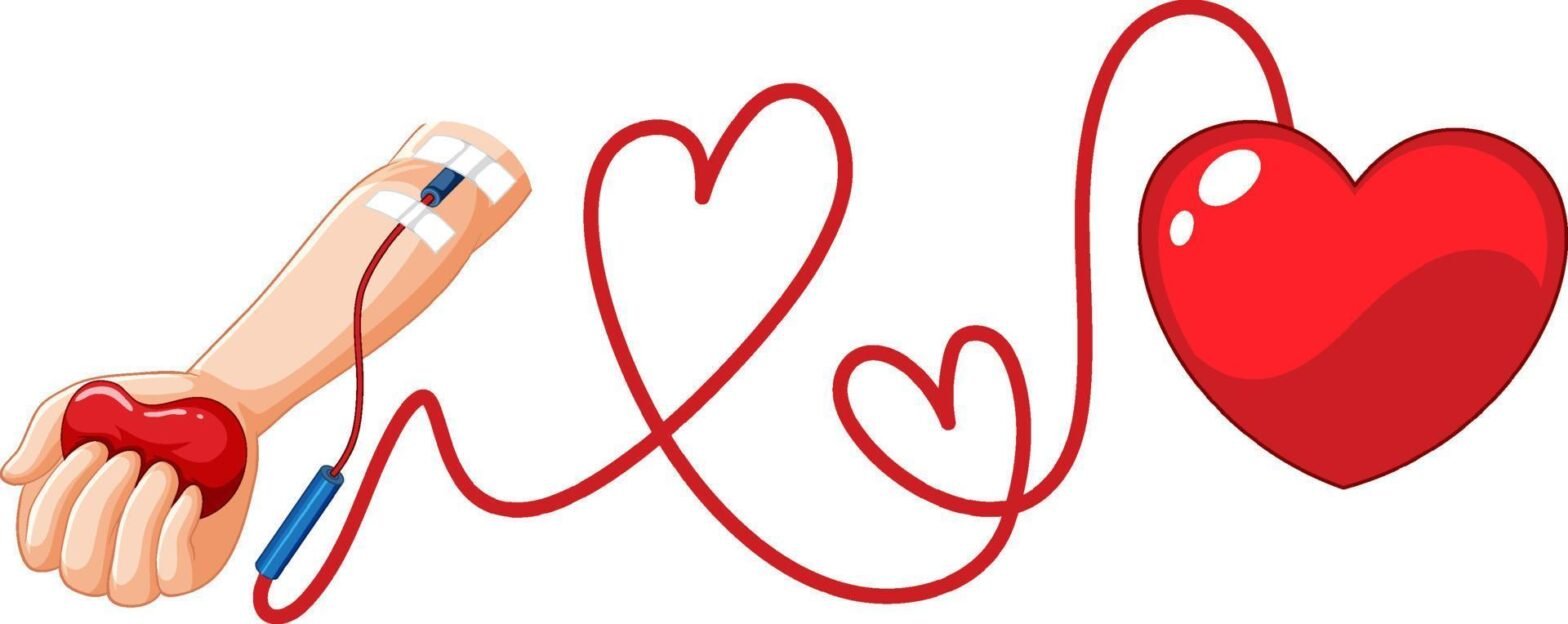
Donating blood is one of the most selfless acts of kindness that a person can do. It has the power to save lives, offering critical support to those in medical emergencies, undergoing surgery, or battling chronic illnesses. Yet, despite its importance, there remains a constant need for blood donations around the world. In India, this need is particularly pressing, with thousands of patients requiring blood transfusions daily.
A Lifesaving Resource
Blood donations are essential for a variety of medical treatments. Trauma victims from accidents, patients undergoing surgeries, and those with medical conditions like anemia, cancer, or severe infections all depend on regular blood transfusions. For many, receiving donated blood is the difference between life and death.
Each unit of donated blood can save up to three lives, as it is typically separated into different components: red blood cells, plasma, and platelets. These components are used to treat different conditions, making every donation invaluable in multiple ways.
Why Blood Donations Are Crucial
Despite advancements in medical science, there is no substitute for human blood. Blood banks rely entirely on voluntary donations to meet the needs of hospitals and clinics. However, shortages are common, especially for rare blood types. Regular donations ensure that blood banks are adequately stocked, helping to avoid critical shortages in emergencies.
The demand for blood increases during emergencies, natural disasters, and public health crises, such as the COVID-19 pandemic, which saw a significant decline in blood donations. This makes it all the more important for healthy individuals to donate regularly to ensure that life-saving treatments are always available when needed.
Health Benefits for Donors
In addition to saving lives, donating blood offers some surprising health benefits for donors. Regular blood donation can help reduce the risk of heart disease by lowering iron levels in the body, which can reduce the risk of heart attacks. Blood donation also promotes the production of new red blood cells, improving the donor’s overall health.
Moreover, blood donors often undergo a mini-health checkup before donation, which includes a screening of vital signs like blood pressure, pulse, and hemoglobin levels. This can help identify potential health issues early on, making blood donation a win-win for both the donor and the recipient.
How to Become a Donor
Donating blood is a simple, safe, and quick process that typically takes about an hour, including registration, screening, donation, and recovery. Individuals aged 18-65, weighing at least 50 kg, and in good health are eligible to donate. Blood donation drives are regularly organized by hospitals, blood banks, and NGOs, making it easy to participate and contribute to saving lives.
Conclusion
The act of donating blood is an unparalleled gift of life. With the potential to save multiple lives, regular blood donation is crucial in ensuring that hospitals and medical facilities are equipped to treat those in need. As the demand for blood never ceases, becoming a blood donor is a vital contribution that everyone can make to society. By donating blood, individuals can not only help save lives but also play a role in building a healthier, more compassionate community.
For more information on how to donate blood, visit your local hospital or blood bank.
Leave a Reply